 Mold growth in residential or commercial properties is a serious issue that affects both the structural integrity of buildings and the health of occupants. Bedford, NY, with its humid summers and older homes, is particularly susceptible to mold problems. Understanding the causes, risks, and restoration processes of mold damage is crucial for homeowners and business owners alike. This comprehensive guide explores everything you need to know about mold damage restoration in Bedford, NY, including prevention strategies and professional remediation options.
Understanding Mold and Its Impact
What Is Mold and How Does It Grow?
Mold is a type of fungus that thrives in damp, warm, and humid environments. It reproduces through spores that travel through the air and settle on surfaces where moisture is present. Common household molds include species like Cladosporium, Penicillium, and Stachybotrys (black mold). In Bedford, NY, seasonal humidity and occasional water leaks create ideal conditions for mold proliferation. Mold can often be found in areas such as bathrooms, kitchens, and basements, where moisture levels are typically higher. It can also grow on various materials, including wood, paper, and even fabric, making it a pervasive problem in many households.
The presence of mold is not just an aesthetic concern. It can cause significant damage to building materials such as drywall, wood, and insulation. Over time, mold can weaken structural components, leading to costly repairs if left untreated. Additionally, mold can produce mycotoxins, which are toxic compounds that can pose serious health risks. This is particularly concerning in homes with poor ventilation, where mold growth can go unnoticed for extended periods, exacerbating the damage and health risks associated with prolonged exposure.
Health Risks Associated with Mold Exposure
Mold exposure can lead to a variety of health problems, especially for individuals with allergies, asthma, or weakened immune systems. Common symptoms include nasal congestion, coughing, throat irritation, skin rashes, and in severe cases, respiratory infections. According to the Centers for Disease Control and Prevention (CDC), prolonged exposure to mold can exacerbate chronic respiratory conditions and cause hypersensitivity pneumonitis. Children and the elderly are particularly vulnerable, as their immune systems may not respond as effectively to mold exposure.
In Bedford, where many homes are older and may have hidden moisture issues, residents should be vigilant about mold detection to protect their health and well-being. Regular inspections of areas prone to dampness, such as under sinks and around windows, can help catch mold growth early. Furthermore, maintaining proper ventilation and humidity levels in the home can significantly reduce the risk of mold development. Homeowners should also consider using dehumidifiers in particularly humid areas and ensuring that any leaks are promptly repaired to create an environment less conducive to mold growth.
Common Causes of Mold Damage in Bedford, NY
Humidity and Climate Factors
Bedford experiences a humid continental climate, characterized by warm, humid summers and cold winters. The summer humidity levels often exceed 70%, creating an environment conducive to mold growth indoors if moisture control is inadequate. Without proper ventilation or dehumidification, indoor humidity can rise, especially in basements and crawl spaces.
Water Intrusion and Plumbing Issues
Water leaks from plumbing failures, roof leaks, or foundation cracks are among the most common causes of mold damage. Even minor leaks that go unnoticed can create damp conditions behind walls or under floors, allowing mold to develop. Bedford’s older housing stock often features aging plumbing systems, increasing the risk of hidden leaks.
Poor Ventilation and Insufficient Maintenance
Homes and businesses that lack adequate ventilation systems are more prone to mold problems. Bathrooms, kitchens, and laundry rooms are especially vulnerable due to frequent moisture generation. Without exhaust fans or proper airflow, moisture accumulates, fostering mold growth. Regular maintenance, including cleaning gutters and ensuring proper drainage, is essential to prevent water buildup around the property.
The Mold Damage Restoration Process
Inspection and Assessment
The first step in mold damage restoration is a thorough inspection by a certified mold remediation professional. This assessment includes identifying the type of mold, the extent of contamination, and the moisture source. Advanced tools such as moisture meters, infrared cameras, and air quality testing devices help pinpoint hidden mold and assess indoor air quality.
In Bedford, many restoration companies follow the guidelines set by the Environmental Protection Agency (EPA) and the Institute of Inspection, Cleaning and Restoration Certification (IICRC) to ensure accurate and safe assessments.
Containment and Mold Removal
Once the affected areas are identified, containment procedures are implemented to prevent mold spores from spreading to unaffected parts of the property. This often involves sealing off rooms with plastic sheeting and using negative air pressure machines.
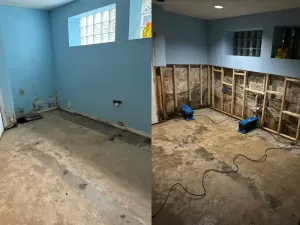
Mold removal involves physically cleaning or removing contaminated materials. Porous materials like drywall, insulation, and carpeting that are extensively damaged may need to be discarded. Non-porous surfaces can be cleaned with specialized antimicrobial treatments to kill mold spores and inhibit future growth.
Drying and Moisture Control
Effective drying is critical to prevent mold from returning. High-powered air movers, dehumidifiers, and heaters are used to thoroughly dry the affected areas. Addressing the moisture source—whether it’s a leak repair, improved ventilation, or waterproofing—is essential to long-term success.
Restoration and Repairs
After mold remediation and drying, restoration work begins. This may include replacing drywall, repainting, refinishing floors, and repairing structural damage. Professional restoration ensures that the property is returned to a safe, clean, and habitable condition.
Choosing a Mold Damage Restoration Company in Bedford, NY
Certifications and Experience
When selecting a mold remediation company, it’s important to choose one with proper certifications such as IICRC Mold Remediation Certification and training in handling hazardous materials. Experienced professionals understand the complexities of mold damage and follow industry best practices to ensure thorough remediation.
Transparent Pricing and Detailed Estimates
A reputable company will provide clear, detailed estimates that outline the scope of work, materials, and timeline. Mold damage restoration costs can vary widely depending on the extent of contamination and repairs needed, so transparency helps homeowners make informed decisions.
Customer Reviews and Local Reputation
Bedford residents should seek out companies with strong local reputations and positive customer feedback. Online reviews, testimonials, and referrals from neighbors or friends can provide valuable insights into the quality of service.
Preventing Mold Growth After Restoration
Maintain Proper Ventilation and Humidity Levels
Keeping indoor humidity below 50% is key to preventing mold. Using exhaust fans in moisture-prone areas and running dehumidifiers during humid months can significantly reduce mold risk. Regularly opening windows to allow fresh air circulation also helps.
Regular Home Maintenance
Inspecting and repairing leaks promptly, cleaning gutters, and ensuring proper drainage around the foundation are crucial preventive measures. Bedford’s seasonal weather changes make it especially important to prepare homes for winter moisture and spring rains.
Routine Mold Inspections
For properties with a history of mold problems, scheduling periodic professional inspections can catch issues early before they escalate. Early detection saves money and protects health.
Conclusion
Mold damage restoration in Bedford, NY, demands a comprehensive approach that combines expert assessment, effective remediation, and ongoing prevention. Given the region’s climate and housing characteristics, residents must remain vigilant about moisture control and mold detection. Partnering with certified professionals ensures that mold issues are addressed safely and thoroughly, safeguarding both property value and occupant health.
By understanding the causes and risks of mold, and taking proactive steps to prevent its return, Bedford homeowners and business owners can maintain clean, healthy indoor environments year-round.
If you’re facing the challenge of mold damage in your Bedford, NY home or business, don’t wait to take action. Contact QCC Water Damage today for a free estimate. Our licensed experts are ready to provide you with prompt, reliable cleanup and same-day service. With transparent pricing and a commitment to safety, we’ll ensure a smooth and stress-free restoration process. Trust our family-owned company for fast, effective damage restoration and take the first step towards a clean, healthy indoor environment.