 Mold growth in homes and businesses is a common issue that can have serious health and structural consequences if left untreated. In Chappaqua, NY, where the climate and seasonal humidity levels create a favorable environment for mold proliferation, understanding mold damage restoration is essential for property owners. This article explores the causes of mold growth, the importance of professional restoration, and practical steps to prevent future mold problems.
Understanding Mold Growth and Its Impact
Mold is a type of fungus that thrives in damp, warm environments. It reproduces through spores that are invisible to the naked eye and can spread rapidly when conditions are right. In Chappaqua, the humid summers and occasional heavy rains increase the likelihood of moisture accumulation in homes, making mold a frequent concern.
The presence of mold is not just an aesthetic issue; it can severely affect indoor air quality and pose health risks. According to the Centers for Disease Control and Prevention (CDC), exposure to mold can lead to allergic reactions, respiratory problems, and in some cases, more serious health complications for individuals with asthma or weakened immune systems.
Structurally, mold can deteriorate building materials like drywall, wood, and insulation, compromising the integrity of a property. Early detection and remediation are critical to minimizing damage and protecting both inhabitants and investments.
Moreover, mold can also have a significant impact on mental well-being. The stress of dealing with mold infestations can lead to anxiety and frustration, especially for families with young children or elderly members who may be more vulnerable to its effects. The presence of mold can create a feeling of unease in the home, as many people associate it with neglect or poor maintenance, further exacerbating the emotional toll that comes with such an issue.
In addition to health and structural concerns, mold can also affect property values. Homes that have a history of mold problems may face decreased marketability, as potential buyers often view mold as a red flag. This can lead to financial implications for homeowners looking to sell, as they may need to invest in extensive remediation efforts to restore their property to a sellable condition. Understanding the importance of regular inspections and maintenance can help homeowners in Chappaqua protect their investments and ensure a safe living environment.
Common Causes of Mold Damage in Chappaqua Homes
Humidity and Moisture Infiltration
Chappaqua’s climate features moderate to high humidity levels during the warmer months, which can cause condensation on windows, walls, and pipes. When moisture accumulates, it creates an ideal breeding ground for mold. Leaky roofs, plumbing issues, and poor ventilation further exacerbate moisture problems, increasing the risk of mold growth.
Flooding and Water Leaks
Heavy rainfall and storms can lead to flooding or water intrusion in basements and crawl spaces. Even minor leaks behind walls or under floors can go unnoticed for long periods, allowing mold to establish itself. Homeowners often discover mold only after visible signs appear or when they experience health symptoms linked to mold exposure.
Poor Ventilation and HVAC Systems
Inadequate ventilation traps moisture indoors, especially in bathrooms, kitchens, and laundry rooms. HVAC systems that are not properly maintained can circulate mold spores throughout a building, spreading contamination. Regular inspection and cleaning of these systems are vital to controlling mold growth.
The Mold Damage Restoration Process
Restoring a property affected by mold involves several critical steps that require professional expertise. Attempting to remove mold without proper equipment and knowledge can lead to incomplete removal and further contamination.
Inspection and Assessment
The first step in mold restoration is a thorough inspection to identify the extent and source of mold growth. Professionals use moisture meters, infrared cameras, and air quality testing to detect hidden mold and moisture pockets. This assessment informs the remediation plan and helps prioritize areas that need immediate attention.
Containment and Air Filtration
To prevent mold spores from spreading during cleanup, affected areas are sealed off using physical barriers and negative air pressure systems. High-efficiency particulate air (HEPA) filters are employed to capture airborne spores, protecting both workers and occupants from exposure.
Mold Removal and Cleaning
Depending on the severity, mold removal may involve cleaning surfaces with antimicrobial treatments or removing and discarding contaminated materials like drywall and insulation. Specialized equipment such as HEPA vacuums and air scrubbers ensure thorough cleaning. It is essential that all mold colonies are eradicated to prevent regrowth.
Drying and Dehumidification
After mold removal, drying the area completely is crucial. Industrial-grade dehumidifiers and air movers are used to eliminate residual moisture. This step helps restore normal humidity levels and reduces the risk of mold returning.
Repairs and Restoration
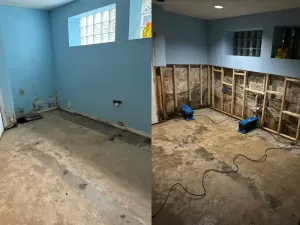
Once the mold is removed and the area is dry, repairs can be made. This may include replacing drywall, repainting, or fixing plumbing and roofing issues that contributed to the mold problem. A professional restoration team ensures that the property is returned to its pre-mold condition safely and effectively.
Health Considerations and Mold Exposure Risks
Exposure to mold can cause a range of health problems, particularly for sensitive groups such as children, the elderly, and those with respiratory conditions. Common symptoms include nasal congestion, coughing, wheezing, skin irritation, and eye redness. Prolonged exposure can exacerbate asthma and lead to chronic respiratory infections.
Because mold spores are microscopic and easily airborne, even small infestations can impact indoor air quality significantly. It is important for residents of Chappaqua to recognize symptoms that may be linked to mold exposure and seek professional evaluation promptly.
Preventing Future Mold Problems
Control Indoor Humidity
Maintaining indoor humidity levels between 30% and 50% is key to preventing mold growth. Using dehumidifiers during humid months and ensuring adequate ventilation in moisture-prone areas can help keep mold at bay.
Regular Maintenance and Inspections
Routine checks of plumbing, roofing, and HVAC systems can identify leaks or issues before they lead to mold. Homeowners should inspect basements and crawl spaces regularly for signs of moisture or mold and address any problems immediately.
Proper Ventilation
Installing exhaust fans in bathrooms, kitchens, and laundry rooms helps remove excess moisture. Opening windows when weather permits and using air purifiers can also improve air circulation and reduce mold risk.
Prompt Water Damage Response
In the event of flooding or leaks, quick action is essential. Water should be removed within 24 to 48 hours, and affected areas dried thoroughly. Professional water damage restoration services can assist in mitigating mold growth after water intrusion.
Choosing a Professional Mold Damage Restoration Service in Chappaqua
Given the complexities involved in mold remediation, hiring a certified and experienced restoration company is crucial. Professionals bring specialized equipment, training, and knowledge to ensure safe and effective mold removal.
When selecting a restoration service, consider factors such as:
- Certification and licensing in mold remediation
- Experience with local climate and building types in Chappaqua
- Use of EPA-approved cleaning agents and industry-standard practices
- Transparent pricing and detailed project plans
- Positive customer reviews and references
Working with a reputable company not only resolves the immediate mold issue but also provides guidance on preventing future problems, protecting your health, and preserving your property’s value.
Conclusion
Mold damage restoration in Chappaqua, NY, is an essential service that safeguards both the health of residents and the integrity of buildings. Understanding the causes of mold, recognizing the signs, and engaging professional remediation can prevent costly repairs and adverse health effects. By maintaining proper humidity levels, ensuring good ventilation, and responding promptly to water damage, property owners can minimize the risk of mold growth and enjoy a safe, healthy living environment.
If you’re facing mold damage in your Chappaqua home, don’t wait for the problem to worsen. Contact QCC Water Damage for a free estimate today. Our licensed experts offer same-day service, ensuring a swift and effective restoration process. With our commitment to transparency, you’ll receive upfront pricing and a detailed plan to tackle mold head-on. Trust our family-owned business for a stress-free cleanup and the peace of mind that your home is in safe hands. Act now to protect your property and health from mold damage.