 Mold growth in homes and businesses is a common yet serious issue in Danbury, CT, due to the region’s humid climate and frequent precipitation. When left untreated, mold can cause significant structural damage and pose health risks to occupants. This comprehensive guide explores the essentials of mold damage restoration in Danbury, CT, including causes, health implications, restoration processes, and prevention strategies.
Understanding Mold and Its Impact in Danbury
Mold is a type of fungus that thrives in damp, warm environments. Danbury’s climate, characterized by humid summers and snowy winters, creates ideal conditions for mold proliferation. According to the Environmental Protection Agency (EPA), indoor mold growth is often linked to moisture problems such as leaks, flooding, or high humidity levels above 60%.
In Danbury, older homes with aging plumbing systems and inadequate ventilation are particularly vulnerable. Mold can grow behind walls, under flooring, and inside HVAC systems, often going unnoticed until it causes visible damage or health symptoms. The presence of mold can lead to a range of health issues, including respiratory problems, allergic reactions, and even more severe conditions in individuals with compromised immune systems. This makes it crucial for homeowners and tenants to be vigilant about mold prevention and remediation.
Common Causes of Mold Growth in Danbury Homes
Several factors contribute to mold problems in Danbury residences and commercial buildings:
- Water Intrusion: Heavy rainfall and snowmelt can lead to basement flooding or leaks through roofs and windows.
- Poor Ventilation: Insufficient airflow in bathrooms, kitchens, and attics traps moisture, creating breeding grounds for mold.
- Humidity: The region’s average summer humidity often exceeds 70%, which encourages mold spores to settle and multiply.
- Plumbing Issues: Leaky pipes and appliances can cause hidden moisture accumulation.
In addition to these common causes, the age and condition of a property play a significant role in mold susceptibility. Homes that have not been properly maintained may have structural weaknesses that allow moisture to seep in. Furthermore, renovations or construction projects that disturb existing mold can inadvertently spread spores throughout the home, exacerbating the problem. It’s also important to note that certain materials, such as wood and drywall, are more prone to mold growth, especially when they remain damp for extended periods. Therefore, regular inspections and proactive maintenance are essential to mitigate the risk of mold in Danbury homes.
Another critical aspect to consider is the seasonal variations in mold growth. While mold can thrive year-round, certain times of the year, particularly late summer and early fall, see a spike in mold spore counts due to the combination of warm temperatures and increased humidity. Homeowners should be particularly cautious during these months, ensuring that their properties are well-ventilated and that any signs of moisture are promptly addressed. By understanding the local climate and its impact on mold growth, residents can take informed steps to protect their homes and health.
Health Risks Associated with Mold Exposure
Exposure to mold spores can lead to a variety of health problems, especially for sensitive groups such as children, the elderly, and individuals with respiratory conditions. The Centers for Disease Control and Prevention (CDC) highlights that mold exposure may cause allergic reactions, asthma attacks, and other respiratory issues.
Common symptoms linked to mold exposure include nasal congestion, coughing, wheezing, skin irritation, and eye discomfort. Prolonged exposure in poorly ventilated spaces can exacerbate these symptoms and increase the risk of chronic respiratory diseases.
Why Mold Remediation is Critical
Ignoring mold growth can result in escalating damage to building materials like drywall, wood, and insulation. Over time, this deterioration compromises structural integrity and can lead to costly repairs. Additionally, untreated mold can diminish indoor air quality, posing ongoing health hazards.
Prompt and professional mold damage restoration helps mitigate these risks by removing mold colonies, drying affected areas, and preventing recurrence.
The Mold Damage Restoration Process in Danbury, CT
Effective mold remediation requires a systematic approach carried out by trained professionals who understand local conditions and regulations. The restoration process generally includes the following steps:
1. Inspection and Assessment
Certified mold inspectors use moisture meters, thermal imaging cameras, and air quality tests to identify the extent of mold contamination and underlying moisture sources. This thorough assessment informs the remediation plan and ensures all affected areas are addressed.
2. Containment
To prevent mold spores from spreading to unaffected areas, technicians establish containment zones using plastic sheeting and negative air pressure systems. This step is crucial in multi-room or commercial settings.
3. Mold Removal and Cleaning
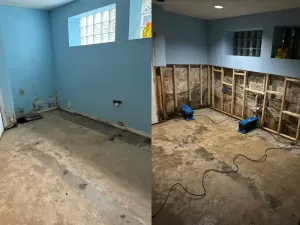
Surface mold is removed using specialized cleaning agents and HEPA vacuuming. Porous materials heavily infested with mold, such as drywall or carpeting, may require removal and safe disposal to eliminate the source completely.
4. Drying and Dehumidification
After mold removal, affected areas are thoroughly dried using industrial-grade dehumidifiers and air movers. Maintaining low humidity levels is essential to prevent mold regrowth.
5. Repairs and Restoration
Once the area is mold-free and dry, repairs such as drywall replacement, painting, and flooring installation restore the property to its original condition. Professionals may also recommend improvements to ventilation and waterproofing to reduce future risks.
Choosing a Mold Restoration Company in Danbury
Selecting a reputable mold remediation company is vital for effective and safe restoration. Homeowners and business owners should consider the following criteria:
Licensing and Certification
Ensure the company holds certifications from recognized organizations such as the Institute of Inspection, Cleaning and Restoration Certification (IICRC). Proper licensing guarantees adherence to industry standards and local regulations.
Experience and Local Knowledge
Companies with extensive experience in Danbury understand the unique environmental challenges and building types common in the area. This expertise allows for tailored solutions that address specific moisture and mold issues.
Transparent Pricing and Guarantees
Reliable companies provide clear estimates and warranties on their work. This transparency helps clients avoid unexpected costs and ensures confidence in the remediation results.
Preventing Mold Growth: Tips for Danbury Residents
Preventing mold is often more cost-effective than remediation. Danbury residents can take proactive steps to minimize moisture and mold risks:
Control Indoor Humidity
Use dehumidifiers and air conditioners during humid months to keep indoor humidity below 50%. Regularly monitor humidity levels with a hygrometer.
Improve Ventilation
Ensure bathrooms, kitchens, and laundry areas have functioning exhaust fans. Open windows when weather permits to increase airflow.
Address Water Leaks Promptly
Fix plumbing leaks, roof damage, and window seals immediately to prevent moisture buildup. Inspect basements and crawl spaces regularly for signs of dampness.
Use Mold-Resistant Materials
When renovating or building, opt for mold-resistant drywall, paint, and insulation to reduce susceptibility.
Regular Cleaning and Maintenance
Clean gutters, downspouts, and drainage systems to prevent water accumulation near the foundation. Remove visible mold promptly with appropriate cleaning solutions.
Conclusion
Mold damage restoration in Danbury, CT, is a critical service for maintaining safe, healthy, and structurally sound properties. Given the city’s climate and building characteristics, mold problems are a persistent threat that requires timely intervention. Understanding the causes, health impacts, and restoration processes empowers property owners to act decisively and choose qualified professionals. Moreover, adopting preventive measures can significantly reduce the risk of mold growth, protecting both property value and occupant well-being.
For residents and business owners in Danbury, staying informed and proactive about mold issues is the best defense against costly damage and health complications.
If you’re facing mold damage in Danbury, CT, don’t wait for the problem to worsen. Contact QCC Water Damage today for a free estimate and experience the peace of mind that comes with prompt, reliable cleanup. Our licensed experts are ready to provide same-day service, ensuring a smooth and stress-free restoration. With transparent pricing and a commitment to safety, we’re the local specialists you can count on for fast, effective damage restoration. Whether it’s water damage, mold remediation, or sewage cleanup, our family-owned company offers the dependable service you need to bring safety back to your home. Get a free estimate now and let us help you restore your property to its optimal condition.