 Mold growth in homes and businesses is a serious concern in Ridgefield, CT, where the region’s humid climate and seasonal weather patterns create an environment conducive to mold proliferation. Addressing mold damage promptly and effectively is crucial to maintaining a safe, healthy indoor environment and protecting property value. This article explores the causes of mold growth, the risks associated with mold damage, and the best practices for mold damage restoration in Ridgefield, CT.
Understanding Mold Growth and Its Causes in Ridgefield
Mold is a type of fungus that thrives in damp, warm, and humid environments. Ridgefield’s climate, characterized by humid summers and wet seasons, often leads to moisture accumulation in homes and commercial buildings. Common sources of moisture include roof leaks, plumbing issues, poor ventilation, and flooding from heavy rains or snowmelt.
According to the Environmental Protection Agency (EPA), mold can begin growing within 24 to 48 hours of water exposure. This rapid growth highlights the importance of early detection and intervention. In Ridgefield, where older homes with aging infrastructure are common, the risk of hidden leaks and moisture buildup is particularly high.
Common Areas for Mold Growth
In Ridgefield properties, mold frequently appears in basements, crawl spaces, bathrooms, kitchens, and around windows where condensation collects. Attics with poor ventilation and areas affected by past water damage are also prime locations for mold colonies to establish. Identifying these hotspots is key to preventing extensive mold damage.
Beyond these typical areas, mold can also flourish in less obvious places, such as behind drywall or under carpets, where moisture can remain trapped and undetected. This hidden growth can lead to significant structural damage over time, as well as potential health risks for occupants. Mold spores can become airborne and may trigger allergic reactions or respiratory issues in sensitive individuals. Therefore, regular inspections and maintenance are crucial, especially in homes with a history of water intrusion.
Additionally, the presence of organic materials such as wood, paper, or fabric can further exacerbate mold growth, providing the necessary nutrients for the fungus to thrive. Homeowners in Ridgefield should be vigilant about controlling humidity levels, using dehumidifiers when necessary, and ensuring adequate ventilation in areas prone to moisture. By taking proactive steps, residents can significantly reduce the likelihood of mold infestations and maintain a healthier living environment.
The Health and Structural Risks of Mold Damage
Mold is not just an aesthetic problem; it poses significant health risks and can compromise the structural integrity of buildings. Exposure to mold spores can trigger allergic reactions, respiratory issues, and other health problems, especially in individuals with asthma, allergies, or weakened immune systems.
The Centers for Disease Control and Prevention (CDC) notes that mold exposure can cause symptoms such as nasal stuffiness, throat irritation, coughing, eye irritation, and skin rashes. Prolonged exposure to mold-infested environments can exacerbate chronic respiratory conditions and lead to more severe health complications. In some cases, certain types of mold, like black mold (Stachybotrys chartarum), can produce mycotoxins that may lead to neurological issues and other serious health concerns, making it imperative to address mold problems promptly and effectively.
Impact on Property and Finances
Beyond health concerns, mold can cause irreversible damage to building materials like drywall, wood, and insulation. Mold growth weakens these materials, leading to costly repairs or replacements. In Ridgefield’s real estate market, visible mold damage can significantly reduce property value and complicate sales or rentals. Potential buyers often perceive mold as a sign of neglect, which can deter offers or lead to lower bids, making it crucial for homeowners to maintain a mold-free environment.
Insurance policies may cover some mold damage, but coverage often depends on the source of moisture and the policy terms. Homeowners and business owners should understand their coverage and act quickly to mitigate damage to avoid out-of-pocket expenses. Additionally, regular inspections and maintenance can help identify moisture problems before they escalate into mold infestations, saving both time and money in the long run. Implementing proper ventilation, controlling humidity levels, and promptly addressing leaks are essential strategies for preventing mold growth and protecting both health and property value.
Effective Mold Damage Restoration Strategies in Ridgefield
Restoring a property affected by mold requires a systematic approach that combines professional expertise, advanced technology, and thorough remediation techniques. The goal is to remove mold safely, address the moisture source, and restore the property to a healthy condition.
Step 1: Mold Inspection and Assessment
The first step in mold damage restoration is a comprehensive inspection conducted by certified mold remediation specialists. In Ridgefield, professionals use moisture meters, infrared cameras, and air quality testing to detect mold presence, hidden moisture, and the extent of contamination.
This assessment helps determine the scope of the problem and informs the remediation plan. Early detection is critical to prevent mold from spreading to unaffected areas.
Step 2: Containment and Air Filtration
To prevent mold spores from spreading during cleanup, containment measures are established. This often involves sealing off affected areas with plastic sheeting and using negative air pressure machines to filter the air. High-efficiency particulate air (HEPA) filters are essential tools that capture microscopic mold spores, improving indoor air quality during and after remediation.
Step 3: Mold Removal and Cleaning
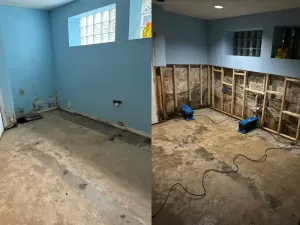
Once contained, mold removal begins. Porous materials heavily contaminated by mold, such as drywall and carpeting, may need to be removed and discarded. Non-porous surfaces are cleaned with specialized antimicrobial treatments to kill mold and prevent regrowth.
Professional remediation teams in Ridgefield employ EPA-registered cleaning agents and follow strict safety protocols to protect both workers and occupants.
Step 4: Drying and Moisture Control
Eliminating moisture sources is critical to preventing mold recurrence. After mold removal, affected areas are thoroughly dried using industrial-grade dehumidifiers and air movers. Repairing leaks, improving ventilation, and installing vapor barriers are common measures to control moisture long-term.
Step 5: Restoration and Repairs
Following mold remediation, restoration work repairs or replaces damaged building materials. This phase ensures the property is returned to its pre-damage condition, maintaining both aesthetic appeal and structural safety.
Choosing a Mold Damage Restoration Professional in Ridgefield
Selecting a qualified mold remediation company is essential for effective mold damage restoration. Homeowners and business owners in Ridgefield should look for companies with proper certifications, such as those from the Institute of Inspection, Cleaning and Restoration Certification (IICRC), and a proven track record in mold remediation.
Transparency in pricing, detailed project plans, and positive customer reviews are also important factors. A reputable company will provide a thorough inspection, clear communication, and a comprehensive remediation strategy tailored to the specific needs of the property.
Preventative Measures and Maintenance
After restoration, ongoing maintenance is vital to prevent future mold problems. Regular inspections, prompt repairs of leaks, maintaining indoor humidity levels below 60%, and ensuring adequate ventilation can significantly reduce mold risks. Ridgefield residents should also consider installing moisture sensors in vulnerable areas to catch problems early.
Conclusion: Protecting Your Ridgefield Property from Mold Damage
Mold damage restoration in Ridgefield, CT requires timely action, professional expertise, and a comprehensive approach to ensure health and property safety. Understanding the causes and risks of mold growth helps property owners take proactive steps to prevent and address mold issues effectively.
By investing in professional mold inspection, remediation, and ongoing maintenance, Ridgefield residents can safeguard their homes and businesses against the costly and hazardous effects of mold damage. Prioritizing mold prevention and restoration not only protects health but also preserves property value in this vibrant Connecticut community.
If you’re facing mold damage in your Ridgefield property, don’t wait to take action. QCC Water Damage is here to provide you with prompt, reliable cleanup and restoration services. Our licensed experts offer same-day service with transparent pricing, ensuring your home’s safety is restored without delay. Trust our family-owned company for honest, upfront pricing and dependable service. From water damage restoration to mold remediation and sewage cleanup, we prioritize rapid response times and a hassle-free process. Get a free estimate today and experience professional care that quickly and effectively restores your property.